
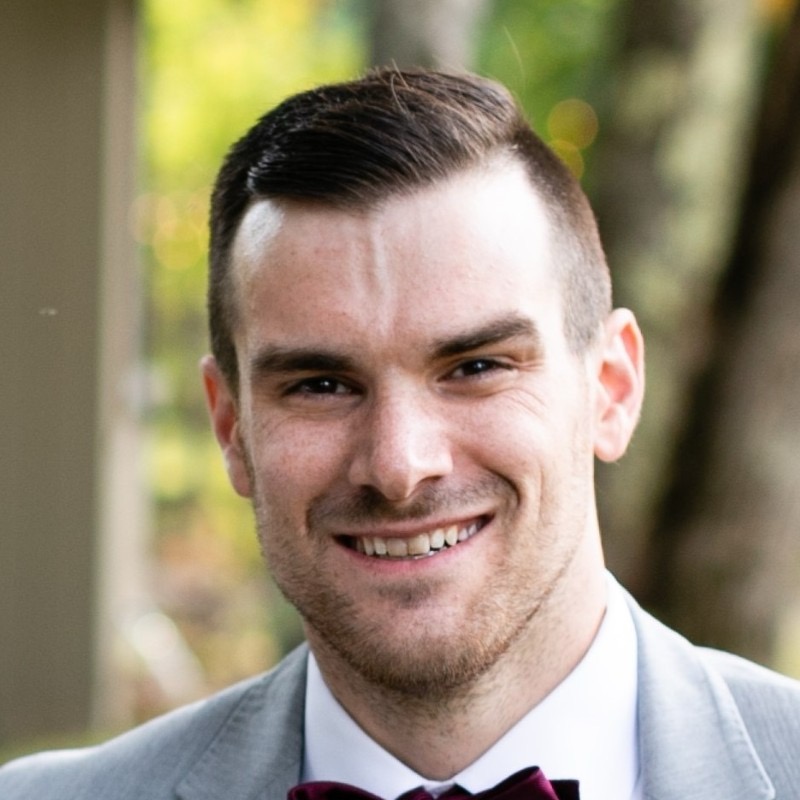
Max Terzano (Write-in)
Note: Max Terzano is a write-in candidate. He won’t appear on the ballot. If you wish to vote for him, write his name in for Ward 3
1. Why are you running for City Council?
I’m running for City Council because Lebanon is at an inflection point.
In just a few years, property taxes have risen sharply and housing has become increasingly out of reach for young families, renters, and first time buyers. We cannot ignore either issue. If we fail to manage spending responsibly, we strain taxpayers. If we fail to expand attainable housing thoughtfully, we hollow out the very workforce and families that make this community strong.
I’m running to bring disciplined budgeting, long term capital planning, and practical housing solutions to the table. I believe we can protect essential services, slow the pace of tax growth, and expand housing in ways that strengthen neighborhoods rather than overwhelm them.
Lebanon deserves leadership that is transparent, data driven, and focused on sustainable growth. That is the work I am prepared to do.
2. What skills and experiences would you bring to the position?
I currently work in public sector finance at the New Hampshire Department of Health and Human Services, where I focus on budgeting, financial systems, and operational oversight. My work involves evaluating spending, aligning policy with practice, and ensuring taxpayer dollars are used effectively and transparently.
That experience matters at the municipal level. City Council decisions affect long term debt, capital planning, contracts, and recurring operating costs. I understand how budgets are built, how costs compound over time, and how to evaluate tradeoffs between short term pressure and long term sustainability.
I also bring experience working in government at multiple levels, including prior service in the U.S. House of Representatives. That background gives me insight into how state and federal decisions impact local taxpayers and why municipalities must advocate clearly for their interests.
Beyond my professional work, I am a resident who experiences Lebanon the same way many others do. I understand the strain of rising housing costs, the importance of strong public services, and the need to maintain the character and livability of our community.
In short, I bring financial discipline, systems level thinking, and a commitment to transparent, accountable governance.
3. What’s one thing you want other people to know about you?
One thing I want people to know about me is that when I was in the USAF the motto of “Integrity First, Service Before Self, and Excellence In All We Do” was drilled into me, and has stuck with me as a guiding principle for how I aim to live my life. Leadership through service is incredibly important to me, and that is how I would serve the City of Lebanon.
4. What are your top 2 priorities that you want to address if you win?
My top two priorities are housing affordability and long term tax stability.
First, we have to address housing. Lebanon cannot remain strong if young families, first time buyers, teachers, nurses, and local workers cannot afford to live here. That means responsibly increasing housing supply, especially missing middle and starter home options, while directing growth to areas with existing infrastructure so we protect neighborhoods and avoid unnecessary costs.
Second, we need disciplined financial planning to slow the pace of property tax increases. That starts with transparent budgeting, careful capital planning, and smarter debt management so we prevent future tax spikes. Residents deserve predictable costs and clear explanations for how their tax dollars are being used.
If we handle housing and long term financial planning correctly, we protect both the character of Lebanon and the people who call it home.
5. Lebanon, like many other cities, is facing challenges with rising property taxes. If the city were required to reduce spending, which service or program would you consider for reduction first? Which should be protected most strongly from cuts?
If Lebanon were required to reduce spending, I would start by looking at areas that do not directly affect public safety or the basic functioning of the city.
Specifically, I would first review the capital improvement schedule and discretionary projects. Lebanon’s tax spikes in recent years have been driven in part by capital projects and debt service. If reductions were necessary, I would examine whether certain non safety related projects could be phased, delayed, resized, or funded differently to reduce short term tax pressure. That conversation needs to be grounded in the 10 year capital plan and the debt ramp, not just the operating budget.
I would also review outside consulting contracts, administrative overhead growth, and any new or recently expanded programs that are not core services. Before cutting a service that residents rely on, we should ensure we are operating efficiently and not layering on costs that do not directly improve outcomes.
The services I would protect most strongly are public safety, road and infrastructure maintenance, and the reliability of our water and sewer systems. Police, fire, EMS response times, safe roads, and basic infrastructure are foundational. Deferring maintenance too long often increases costs later and creates safety risks, so those areas should be shielded as much as possible.
In Lebanon’s case, the goal should not be across the board cuts. It should be smarter capital pacing, disciplined debt management, and careful review of discretionary spending so we stabilize taxes without undermining the services that make the city work.
6. Lebanon is home to residents from widely varying economic, generational, and cultural backgrounds. Please share a few ideas for how to make Lebanon a place where these residents can thrive.
Lebanon works best when people at different stages of life and from different backgrounds see a future here.
First, we need to protect affordability, especially for seniors and long time residents on fixed incomes. Disciplined budgets and smarter capital planning help slow property tax growth so people are not priced out of their homes.
Second, we should continue investing in walkable neighborhoods and strong public spaces. Safe sidewalks, parks, trails, and a vibrant downtown create places where different generations and cultures connect.
Third, we need to support local businesses and workforce opportunity. Streamlined permitting, thoughtful economic development, and coordination with employers help residents find good jobs close to home and keep our local economy strong.
Expanding attainable housing is part of that equation. A thriving Lebanon is one where people of different economic, generational, and cultural backgrounds feel they belong and have a real opportunity to succeed.
7. What’s the best way for voters to reach you?
The best way to reach me is through email at maxfornh@gmail.com