
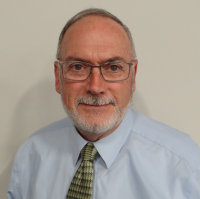
Tim McNamara
At-Large
1. Why are you running for City Council?
I am running for Council in 2026 for the same reason that I have volunteered for the past 11 years, which is that I feel an obligation to try and serve the community that has been my home for most of my almost 70 years. I have no particular agenda except to try and contribute as best I can to ensuring that the quality of life for present and future generations is as good as it has been for me and my family
2. What skills and experiences would you bring to the position?
I believe that the experience of growing up here in Lebanon in the 1960’s and 1970’s, then raising our family here after moving back in the 1980’s helps provide a valuable perspective on what Lebanon has been, what it is today, and what it could be in the future. Serving on the Planning Board for several years and then transitioning to the City Council in 2015 has also provided extremely valuable experience.
3. What’s one thing you want other people to know about you?
I’d like people to know that I have no particular agenda except to try and do what is best for the community at large.
4. What are your top 2 priorities that you want to address if you win?
My top two priorities are to try and maintain and enhance the quality of life for all of our residents, and to promote a healthy, vibrant and sustainable economy without which a high quality of life is difficult to maintain.
5. Lebanon, like many other cities, is facing challenges with rising property taxes. If the city were required to reduce spending, which service or program would you consider for reduction first? Which should be protected most strongly from cuts?
In discussing the property tax challenge, it is important to understand how taxes are apportioned. City General Fund expenditures represent ~36% of property taxes. Of the remainder, 53% is for schools (not controlled by the City), 6% goes to the Statewide Education Property Tax, and 5% goes to Grafton County. The City’s General Fund budget includes administration, emergency services, public works (with the exception of water, sewer and landfill, which are separately funded), libraries, recreation and human services. Any cuts in these areas will inevitably impact some or all of our population, and this requires a robust public discussion when cuts are being considered. There are no easy answers, but two areas that should always be closely evaluated are the addition of new fulltime employees and capital projects.
6. Lebanon is home to residents from widely varying economic, generational, and cultural backgrounds. Please share a few ideas for how to make Lebanon a place where these residents can thrive.
One of the things that has traditionally helped Lebanon to maintain its economic, cultural, and generational diversity is maintaining a variety of housing options that are available to a wide range of current and future residents. Rising property prices and taxes have made this increasingly challenging. We need an active, innovative partnership between the City, nonprofits, and local businesses to address these issues. We also must recognize that addressing the current lack of affordable housing is not just a Lebanon issue but must of necessity involve the active participation of all communities in the Upper Valley.
7. What’s the best way for voters to reach you?
By email at tjmcnamara3@gmail.com